


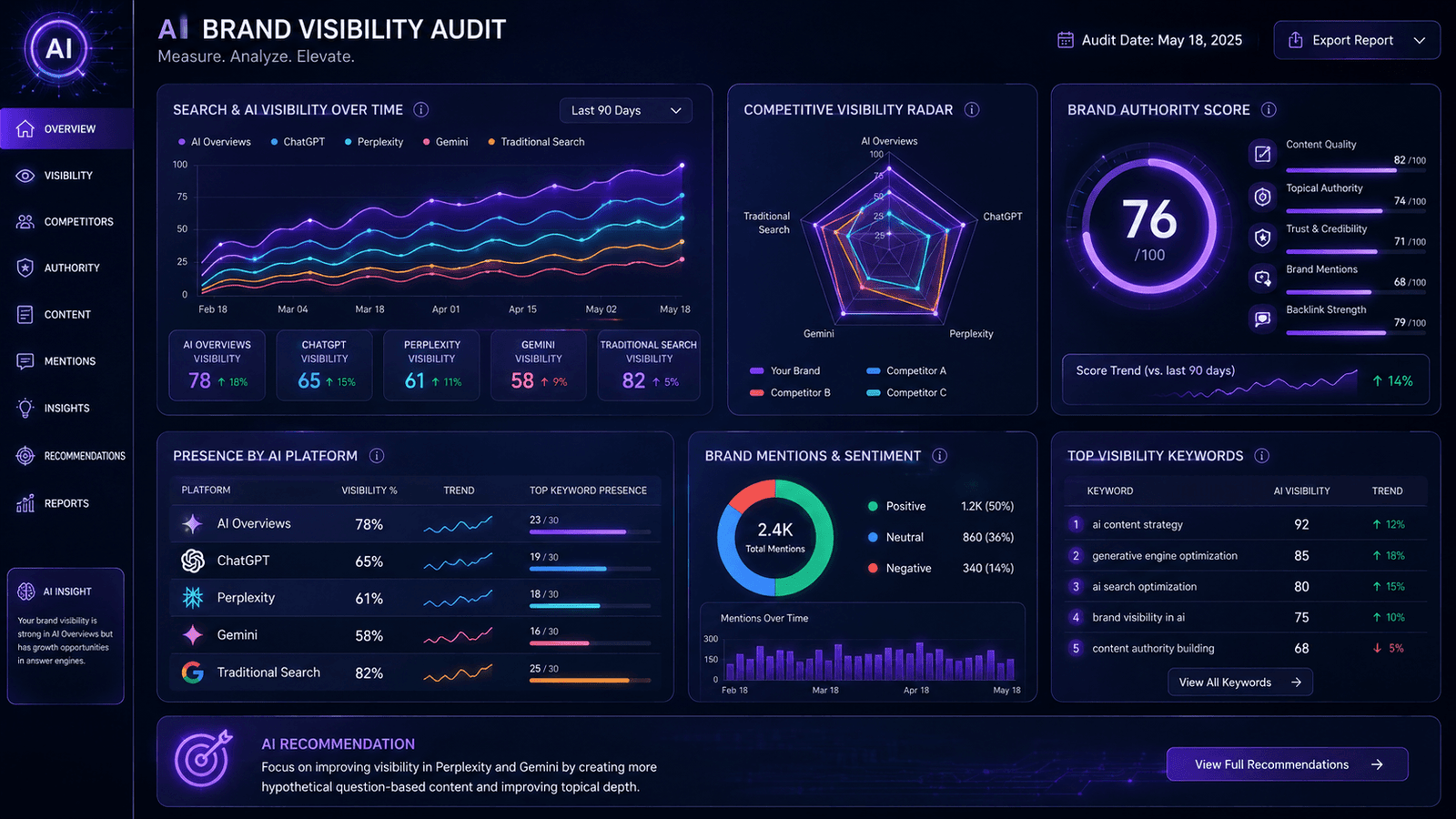
How to Conduct an AI Brand Visibility Audit (And Spot Your Competitors’ Weaknesses)

Open up ChatGPT, Claude, or Perplexity right now and ask for a top three recommendation in your niche. If your company isn’t named in that generated answer, you are functionally invisible to a rapidly growing slice of your target market. Prospective buyers are no longer relying solely on browsing long lists of blue links; they are asking AI platforms to synthesize choices, compare features, and name market leaders directly.
This fundamental evolution in user behavior requires a completely new diagnostic framework. Traditional rank trackers only show where your website sits on a static page for a specific keyword. They cannot tell you whether an intelligent answer engine understands your core value proposition, trusts your brand authority, or regularly recommends your products over your competition.
Conducting an AI brand visibility audit allows you to peer inside the synthetic minds of modern answer engines. By systematically testing how language models perceive your company, you can pinpoint narrative gaps, fix missing entity connections, and uncover critical weaknesses in your competitors’ digital footprints.
Here is a step-by-step blueprint to audit your AI visibility and claim market leadership in the era of generative search.
What AI Brand Visibility Actually Means
Traditional search engine optimization measures rankings based on URL placements and keyword matches. AI brand visibility measures sentiment, entity associations, citation frequency, and recommendation share across conversational platforms.
When a user asks an AI tool for assistance, the system relies on its underlying training data alongside real-time web retrieval to construct an answer. If third-party review sites, industry forums, media outlets, and authoritative publications consistently highlight your business, the AI model adopts that consensus.
Conversely, if your digital presence is scattered, poorly structured, or absent from key industry hubs, answer engines will overlook you entirely or default to your competitors. An AI visibility audit helps you quantify where you stand today and map out the exact steps needed to shift those recommendations in your favor.
Step 1: Map Out High-Intent Conversational Prompts
To run an effective audit, you must stop searching for short keyword phrases and start collecting the actual multi-part prompts your ideal customers use. People interact with AI engines through full sentences, specific constraints, and direct evaluation requests.
Build a master testing list across four core prompt categories:
- Category Discovery Prompts: “What are the best enterprise software platforms for streamlining supply chain logistics?”
- Comparative Evaluation Prompts: “Compare Company A versus Company B for a mid-sized healthcare provider on a budget.”
- Use-Case Validation Prompts: “Which cloud security tools offer automated compliance reporting for financial institutions?”
- Recommendation Prompts: “Suggest three reliable agencies that specialize in B2B performance marketing for SaaS startups.”
Gathering a robust set of twenty to thirty intent-focused prompts ensures you are testing broad market presence rather than isolated, vanity searches.
Step 2: Query Major AI Platforms and Benchmark Mentions
Once your prompt library is ready, run each query across the major generative engines, including ChatGPT, Claude, Perplexity, and Google AI Overviews. Document every output systematically so you can track patterns across different platforms.
During this logging phase, evaluate four primary metrics:
- Inclusion Rate: Does the AI engine mention your brand name at all in its final response?
- Sentiment and Context: Is your company presented as a premier solution, a secondary alternative, or a budget option with notable drawbacks?
- Citation Sources: What specific links, articles, or platforms does the AI tool cite to justify its recommendation?
- Competitor Prominence: Which competing brands are consistently recommended first, and what specific attributes are praised about them?
If a competitor appears in ninety percent of generated answers while your brand appears in only twenty percent, you have identified a clear visibility gap that requires immediate strategic attention.
Step 3: Analyze Citation Sources to Spot Competitor Vulnerabilities
The most valuable insight gained from an AI brand audit is uncovering the specific sources answer engines use to form their conclusions. Unlike traditional search engines that rely heavily on direct website authority, generative tools scan an entire ecosystem of unlinked brand mentions, third-party reviews, and community discussions.
Examine the citations generated for your top competitors and look for clear structural weaknesses:
- Outdated Information: The AI platform may cite old pricing models, retired product features, or former company positioning.
- Negative Sentiment Clustered on Third-Party Sites: A competitor might dominate mentions, but their citations rely on user forums complaining about poor customer support or buggy integrations.
- Narrow Source Dependency: A rival brand might only be cited because of one prominent industry roundup article from three years ago.
Identifying these vulnerabilities reveals your exact path to victory. If answer engines favor a competitor based on a single review platform or industry roundup, securing prominent, positive coverage on those same channels allows you to disrupt their market lead.
Step 4: Identify Entity and Information Gaps in Your Digital Footprint
If AI platforms fail to mention your brand, it is usually because your digital entity lacks strong relational context. Language models need to clearly understand what your company does, who you serve, and why you are qualified to solve specific problems.
Common issues that hurt AI visibility include:
- Inconsistent Brand Messaging: Your website uses vague, overly poetic marketing copy instead of clear, descriptive language that explicitly defines your core products.
- Missing Structured Data: Your site lacks schema markup that explicitly tells machine crawlers who you are, what services you offer, and where your official social profiles reside.
- Low Off-Page Consensus: Your brand is mentioned only on your owned properties, with zero coverage on industry blogs, news sites, podcasts, or review portals.
To fix these gaps, update your site with direct, factual definitions, implement comprehensive schema markup, and launch targeted PR campaigns that secure coverage on the exact third-party sites AI tools cite most frequently.
Turning Audit Insights into Market Dominance
Conducting an AI brand visibility audit transforms generative search from an unpredictable threat into a manageable growth channel. Instead of guessing how artificial intelligence perceives your company, you gain clear, data-driven clarity on where your brand wins, where it falls short, and where your competitors are most vulnerable.
By continually optimizing your off-page consensus, refreshing your structured data, and building authoritative content hubs, you can systematically teach answer engines to recognize your brand as the leading authority in your industry.
If you need assistance in conducting a comprehensive AI brand visibility audit and uncovering your competitors’ strategic weaknesses, talk to us at Gowishy; we will help you claim your rightful share of voice across the next generation of search.
Related articles
-
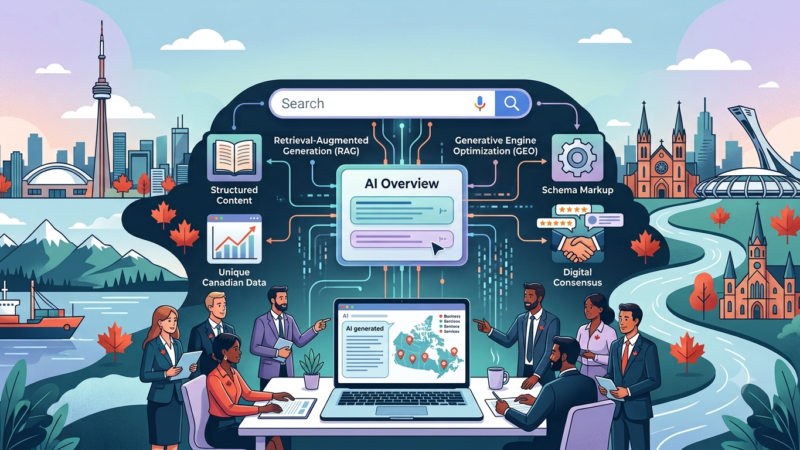
The Guide to Ranking in Google AI Overviews & LLMs
Google’s search results look a lot different than they did a few years ago. The first result isn’t a blue link that provides you with the most relevant result anymore. It’s an AI-generated summary of what you searched about. For Canadian businesses that have grown accustomed to the old strategies, this shift is a major…
-
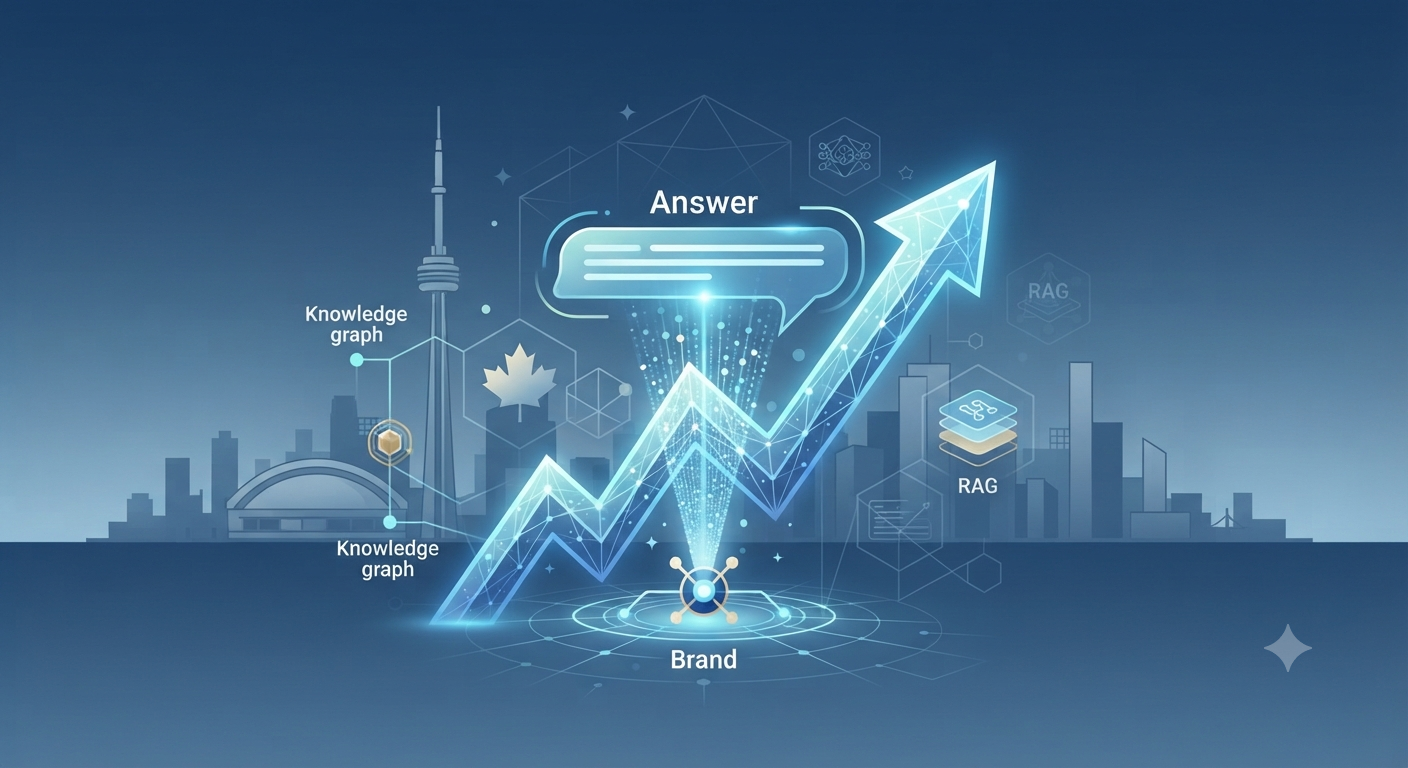
Toronto’s Premier Answer Engine Optimization (AEO) Agency: Leading the Shift to AI-First Visibility
As Gen-AI transforms how people and companies discover information, traditional strategies are stepping aside to Answer Engine Optimization (AEO) and Generative Engine Optimization (GEO). If you have a brand and it isn’t being synthesized, recommended, and cited inside the latest tools like ChatGPT, Claude, Perplexity, and Google AI, you’re becoming invisible to a large part…
-
The Ultimate Buyer’s Guide: How to Hire an SEO Agency Without Getting Burned
When you hire an SEO agency, it should be a deliberate decision that creates a genuine opportunity for your business. But all too often, for most business owners, it ends up feeling like a gamble, with aggressive sales pitches, over-the-top promises that never materialize, vague promises of top rankings, and dense technical jargon designed to…